Adding plants to your home is a great way to bring life and freshness to any space. They not only improve air quality but also create a calming and inviting atmosphere. However, choosing the right plants for your home involves more than just picking what looks nice. It’s important to consider the environment where the plant will live, such as the amount of light and space available.
Different plants have different needs, and selecting the wrong type can lead to frustration. Whether you are new to plant care or an experienced gardener looking to add more greenery to your space, understanding your home’s conditions is key.
This guide will help you identify the best plants for each room in your home, introduce some easy-care options for beginners, and provide essential tips for taking care of your plants. By making informed choices, you’ll ensure that your plants not only survive but thrive in their new home.
Understanding Your Space and Lighting Conditions
Knowing the lighting conditions in your home is essential for selecting the right plants. Different plants require different amounts of light to grow well. Observing where natural light enters your home and how long it stays can help you determine the best spots for your plants. For example, a south-facing window gets plenty of sunlight throughout the day, making it suitable for light-loving plants like succulents and cacti. In contrast, a north-facing window offers less direct light, which is ideal for shade-loving plants such as ferns and peace lilies.
Additionally, it’s important to consider indirect lighting. Some plants thrive in bright, indirect light, which means they should be placed near a window but not directly under the sunlight. Assessing both direct and indirect light will guide you in making better choices for your indoor garden. Matching your plants with their preferred light conditions helps them grow healthier and stay vibrant longer.
Best Plants for Different Rooms in Your Home
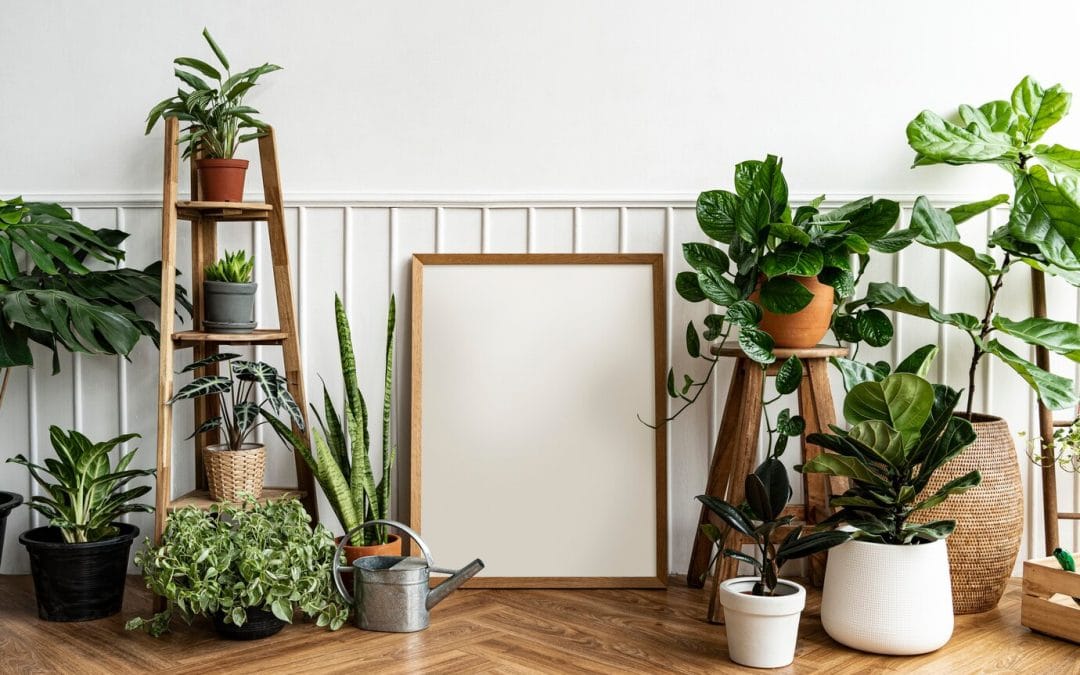
Choosing the right plants for each room can enhance both the look and feel of your home. For the living room, you might want tall plants like fiddle leaf figs or rubber plants that add visual interest and improve air quality. These areas usually have ample space and good lighting, perfect for larger plants to thrive.
In the kitchen, opt for smaller, easy-to-care-for plants like herbs. Basil, thyme, and parsley are excellent choices as they can grow well in kitchen windows where they get plenty of light. Plus, having fresh herbs on hand makes cooking more enjoyable. In bedrooms, consider plants like lavender or jasmine. These plants are known for their calming scents, promoting better sleep and relaxation.
For bathrooms, choose moisture-loving plants such as spider plants or orchids. Bathrooms often have higher humidity levels, which these plants prefer. Placing them on a windowsill or hanging them can brighten up the space and create a mini-escape within your home.
Low-Maintenance Plants for Beginners
Starting with low-maintenance plants is a great way to build your confidence in plant care. Some plants are particularly forgiving, making them ideal for beginners. Spider Plants are a popular choice because they are hardy and thrive with minimal attention. They only need moderate light and occasional watering.
Succulents like Aloe Vera and Jade Plants are also excellent for beginners. These plants store water in their leaves, which means you don’t have to water them frequently. Place them in a spot that gets plenty of sunlight, and they will flourish with very little fuss. These beginner plants not only look great but also require minimal upkeep, making them perfect for new plant parents.
Tips for Proper Plant Care and Maintenance
Proper plant care involves more than just watering and sunlight. Regularly dust the leaves of your plants with a damp cloth to keep them clean and to help them breathe better. Dust can block light and reduce the plant’s efficiency in photosynthesis.
Also, be sure to inspect your plants for pests. Common pests like aphids and spider mites can harm your plants. If you notice any, use a gentle insecticidal soap to treat the affected areas. Pruning is another important task. Remove any dead or yellowing leaves to encourage new growth and to keep the plant healthy. By following these simple maintenance tips, you’ll help your plants stay vibrant and healthy.
Conclusion
Caring for plants can be a fulfilling and relaxing activity, especially when you choose the right plants and understand their needs. From identifying the best spots for your plants to learning simple care techniques, each step you take contributes to a thriving indoor garden. Remember, even low-maintenance plants require some attention to stay healthy and beautiful.
If you’re looking for Nottingham flowers as gifts or to brighten up your space along with your plants, explore our flower collection at Welch today!