At Welch, we understand that flowers are much more than just aesthetically pleasing; they also possess the power to convey deep emotions and tell intricate stories. Delving into the captivating world of floriography, we find extensive symbolism and meanings attached to various flowers, awakening a renewed appreciation and admiration for these natural gems. This intriguing language of flowers offers a way to communicate sentiments that can sometimes be challenging to express in words.
Venture with us into the fascinating world of floriography, as we unravel the hidden meanings behind some of the most beloved blooms and unveil the art of creating bespoke, evocative bouquets. Our knowledgeable team, dedicated to crafting extraordinary floral arrangements, will help guide and inspire you on your journey to discovering the rich narrative woven within the petals, colours, and fragrances of your favourite flowers.
In this educational blog post, we’ll uncover the history and significance of floriography, including its cultural background and the role of the Victorian era in popularising this floral language. Moreover, we’ll delve into the symbolic meanings of popular flowers, exploring themes of love, friendship, sympathy, and gratitude. Our tips for choosing the perfect bouquet will empower you to express your emotions with grace and eloquence, strengthening personal connections through the powerful medium of flowers.
Journey with us into the enchanting realm of floriography and unlock the potential to deepen your most cherished relationships through the artful selection and presentation of nature’s most beautiful offerings.
History and Significance of the Language of Flowers
Long before the written word, people have been using flowers to express emotions and communicate their feelings. The art of floriography is rooted in ancient cultural traditions and has evolved over time into a rich and symbolic floral language.
Cultural Background and Victorian Era’s Influence
The concept of floriography is believed to have originated in ancient Persia, where flowers were used to convey messages in secret or courtly love. This practice spread through the Middle East to Europe, where it flourished in Florence and France. However, during the Victorian era, the language of flowers truly peaked in popularity, with the rise of gift-giving etiquette. Victorians used flowers and their associated meanings to deliver subtle yet powerful messages without the use of words, preserving a sense of decorum that the era so highly valued.
The Role of Floriography in Communication
In an age when direct expressions of emotions were often frowned upon, floriography allowed people to communicate their feelings with grace and sophistication. Symbolism was woven into every aspect of life, and flowers played an integral role in defining relationships, expressing love, or showing support. It is this delicate and emotional aspect of the language of flowers that still resonates today, making it a timeless and enduring form of non-verbal communication.
Understanding the Symbolic Meanings of Popular Flowers
To master the language of flowers, one must grasp the symbolism behind each bloom. Different flowers represent unique emotions and can be combined to create meaningful floral messages.
Love, Friendship, Sympathy, and Gratitude
Some of the most common emotions conveyed through flowers include love, friendship, sympathy, and gratitude. Here are a few popular flowers and their meanings:
– Red Roses: Undoubtedly the most iconic symbol of love, red roses express deep affection, passion, and commitment.
– Yellow Roses: These vibrant blooms signify friendship and joy, making them a thoughtful gift to brighten a friend’s day.
– White Lilies: Often associated with funerals, white lilies represent purity, innocence, and the restoration of the soul, conveying sympathy and support during difficult times.
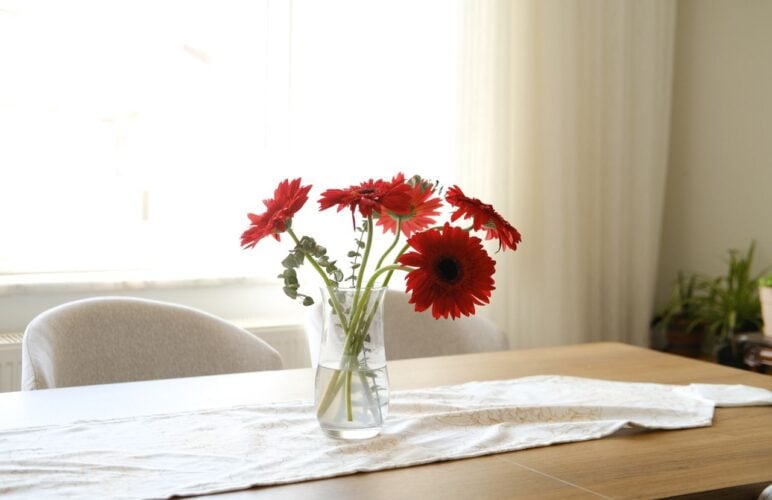
– Gerbera Daisies: With their bright and cheerful appearance, Gerbera daisies symbolise appreciation and gratitude, making them a lovely way to say “thank you”.
The Importance of Colour in Flower Symbolism
Colour plays a crucial role in floriography, as different coloured flowers can hold alternative or complementary meanings. For instance, pink roses represent admiration and gentleness, while orange roses evoke excitement and energy. Therefore, an understanding of flower colour meanings is essential when crafting a meaningful bouquet.
How to Choose the Perfect Bouquet to Express Your Emotions
Creating a compelling floral message requires careful consideration of flower meanings and an artistic flair for arrangement. Keep these tips in mind when selecting your bouquet:
Tips for Creating a Meaningful Floral Message
– Familiarise yourself with popular flower meanings, from love and friendship to sympathy and gratitude.
– Understand the significance of colour and how it can impact the overall message conveyed.
– Consider combining multiple flowers to create a complex and nuanced sentiment.
– Work closely with a knowledgeable florist, like our team at Welch, to ensure your message is both visually stunning and emotionally evocative.
Examples of Bouquets for Different Sentiments
Here are some bouquet examples to inspire your own floral messages:
– A Romantic Gesture: Combine red roses, symbolising love and passion, with pink roses representing admiration, to express your devotion and desire.
– A Thank You Gift: Choose a bright, cheerful bouquet of Gerbera daisies (gratitude) and freesia (trust) to show your appreciation for someone’s support and kindness.
– A Sympathy Bouquet: Pair white lilies (purity and restoration) with delicate blue forget-me-nots (remembrance) to offer comfort and solace during times of loss and grief.
The Art of Giving and Receiving Flowers
Incorporating floriography into your floral gift-giving can enhance personal connections and enrich relationships through this historical and emotional method of communication.
Etiquette and Best Practices
When giving and receiving flowers, remember these etiquette tips:
– Research the recipient’s personal preferences and cultural background to avoid choosing flowers with unintended meanings.
– Always present a well-kept and beautifully arranged bouquet to show thoughtfulness and care.
– Consider writing a thoughtful note to accompany your bouquet, reinforcing the intended sentiment.
Enhancing Personal Connections Through the Language of Flowers
Incorporating floriography into your gift-giving and celebrations can deepen personal connections, providing a unique and heartfelt way of expressing your emotions and creating lasting memories.
Unlocking the Power of Floriography with Welch’s Exceptional Bouquets
With its age-old charm and rich symbolism, the language of flowers offers a romantic and meaningful method of communication. By mastering the meanings behind popular blooms and embracing the art of floriography, you can infuse your floral gifts with thoughtfulness, emotion, and grace. At Welch, we are here to guide you on your floral journey, ensuring your bouquets are crafted from the highest-quality flowers and skilfully arranged from our Nottingham flower shop. Cherish these timeless forms of expression and create unforgettable memories with those you hold dear through the wondrous world of floriography.